

FG hails S&P rating upgrade as Tinubu’s reform gains global backing
By Maureen Aguta
The Federal Government has welcomed the upgrade of Nigeria’s sovereign credit rating by S&P Global from ‘B-’ to ‘B’ with a Stable Outlook, describing the development as a strong endorsement of the country’s ongoing economic reforms and a renewed vote of confidence in the management of the economy.
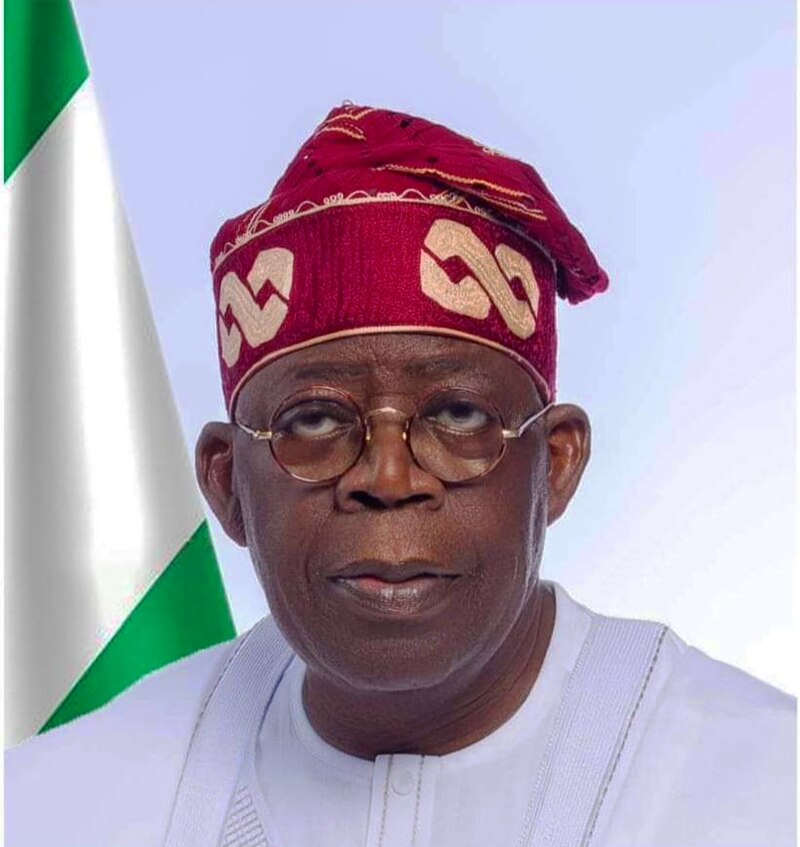
The latest assessment by S&P Global comes on the heels of similar positive outlooks issued earlier in 2025 by Fitch Ratings and Moody’s Ratings, further reinforcing growing investor confidence in Nigeria’s reform agenda under President Bola Ahmed Tinubu.
Reacting to the development through his verified X account, the Minister of Finance and Coordinating Minister of the Economy, Wale Edun, described the rating upgrade as a major validation of Nigeria’s policy direction, macroeconomic reforms, and medium-term growth prospects.
According to the minister, the independent ratings by the three global agencies affirm that the difficult but necessary reforms initiated by the Tinubu administration are beginning to yield measurable outcomes capable of stabilising and repositioning the economy.
He noted that S&P Global specifically cited improvements in Nigeria’s external reserves position, stronger balance-of-payments performance, rising crude oil production, and the expansion of domestic refining and export capacity as key factors behind the upgrade.
The agency also acknowledged sustained reforms in the foreign exchange market, fiscal transparency, revenue mobilisation, and debt sustainability measures being implemented by the Federal Government.
“The agency recognised ongoing fiscal reforms aimed at broadening the tax base, improving public revenue mobilisation, enhancing fiscal transparency, and strengthening debt sustainability,” the minister stated.
He added that Nigeria’s debt-to-revenue ratio has improved significantly since 2023 and is projected to decline further as ongoing reforms continue to mature.
The minister said the positive ratings by Fitch Ratings, Moody’s Ratings, and now S&P Global send a powerful signal to global investors, financial markets, and development partners that Nigeria is steadily rebuilding macroeconomic credibility and restoring confidence in its economic governance framework.
He reaffirmed the Federal Government’s commitment to prudent fiscal management, market-driven reforms, and policies that encourage private sector growth and investment.
“We have maintained our position against the reintroduction of inefficient fuel subsidies, which historically created major fiscal distortions, encouraged smuggling, weakened foreign exchange liquidity, and diverted scarce resources from critical national priorities,” he said.
The minister further stressed that the government remains committed to sustaining a transparent and competitive economic environment anchored on free enterprise and effective regulatory oversight.
Despite the encouraging ratings outlook, he admitted that significant economic challenges remain, particularly in addressing inflationary pressures, improving food security, creating jobs, and ensuring that economic growth translates into tangible benefits for ordinary Nigerians.
According to him, the Federal Government, in collaboration with state and local governments, will continue to pursue reforms “with discipline, pragmatism, and compassion,” while maintaining active engagement with citizens and stakeholders.
He also expressed appreciation to Nigerians for their resilience and patience throughout the reform process, noting that the improving international outlook would strengthen Nigeria’s ability to attract foreign investment and secure financing on more favourable terms.
“Our resolve remains firm to build a stronger, globally competitive, fiscally sustainable economy that works for all Nigerians,” the minister added.