

Cubana Chief Priest suffers setback as Imo APC unveils consensus reps candidates for 2027
Maureen Aguta
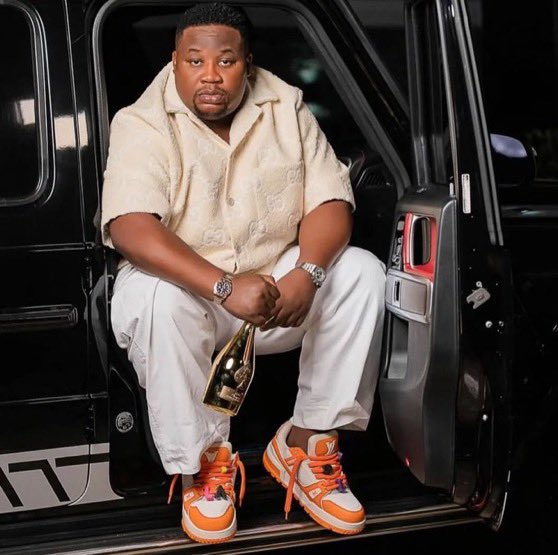
The ruling All Progressives Congress in Imo State has moved to tighten its grip ahead of the 2027 general elections, finalising a carefully negotiated consensus list for House of Representatives aspirants — a political arrangement that effectively shuts out celebrity businessman and socialite Cubana Chief Priest from the contest.
The development is being interpreted within political circles as a major consolidation move by forces loyal to Governor Hope Uzodimma, who continues to shape the power structure of the party in the state ahead of the next electoral cycle.
Party insiders disclosed that the consensus framework was designed to minimise the fierce internal battles, litigations, and defections that have historically weakened parties after primaries. The strategy, according to sources, prioritised political loyalty, regional balancing, grassroots structures, and alignment with the governor’s political direction.
Under the arrangement, the APC settled for a coordinated lineup of candidates across the federal constituencies in the state, with several sitting lawmakers and established political figures making the list.
Among those selected are Barrister Ngozi Pat-Ekeji for Aboh/Ngor Okpala Federal Constituency; Hon. Chukwudi Anyanwuocha for Ahiazu/Ezinihitte; Hon. Sandra Inyama for Ideato; and Hon. Canice Moore Nwachukwu Omeogo for Orlu/Orsu/Oru East.
Others include Hon. Jonas Okeke for Okigwe South; Hon. Uchenna Agasu for Okigwe North; Hon. Dibiagwu Eugene for Oguta/Ohaji-Egbema/Oru West; Hon. Cosmos Maduba for Nkwerre/Nwangele/Isu/Njaba; Hon. Akarachi Amadi for Mbaike Federal Constituency; and Hon. Tochi Okere for Owerri Federal Constituency.
The exclusion of Cubana Chief Priest — who had been linked in recent months with growing political ambitions in Imo politics — has already generated discussions among supporters and political observers, particularly given his rising grassroots visibility and influence among young voters.
Analysts, however, say the APC’s consensus strategy reflects a broader trend in Nigeria’s political landscape, where party establishments increasingly rely on negotiated candidacies to preserve internal stability and avoid damaging primary contests.
Political commentators note that while consensus arrangements often help ruling parties project unity, they can also create underlying resentment among aspirants and support groups who feel excluded from the process.
“Consensus politics may deliver temporary peace, but the real test comes when dissatisfied stakeholders begin to weigh their options,” a political analyst familiar with Imo politics told this newspaper.
Observers further argue that the durability of the APC’s arrangement in Imo will depend largely on how effectively party leaders manage grievances, accommodate competing interests, and maintain grassroots mobilisation ahead of the polls.
With political activities gradually gaining momentum ahead of 2027, attention is now shifting to whether the party can sustain the fragile unity forged through consensus — or whether silent discontent could eventually trigger defections and internal resistance.
For now, the APC leadership appears determined to present a united front as it prepares for another high-stakes electoral battle in one of the South-East’s most politically strategic states.