

Shippers’ Council halts MSC tariff hike as clearing agents’ strike shakes port
By Maureen Aguta
Nigeria’s port industry recorded a major regulatory intervention this week as the Nigerian Shippers’ Council (NSC) directed Mediterranean Shipping Company (MSC) to immediately withdraw its recent tariff increase, following a strike by licensed clearing agents that disrupted cargo clearance at major seaports.
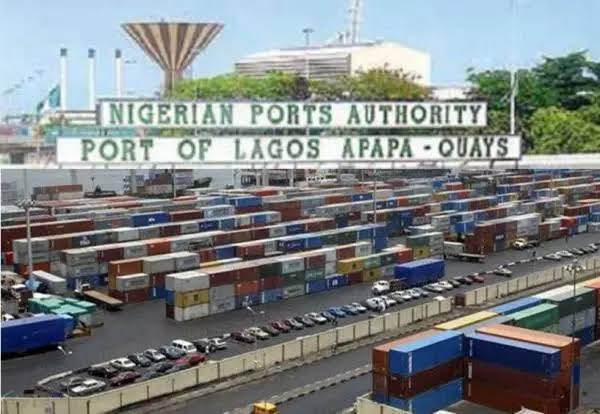
The directive came amid escalating tension across the Lagos ports, where clearing agents protested rising shipping line charges, persistent demurrage accumulation and delays blamed on systemic inefficiencies rather than importers or their representatives.
Confirming the decision, the Executive Secretary of the Nigerian Shippers’ Council, Dr Akutah Pius Ukeyima, said the Council acted within its mandate as Port Economic Regulator to protect port users from arbitrary charges.
“No shipping company is permitted to impose or increase tariffs without due regulatory approval and stakeholder consultation,” Ukeyima said. “The Shippers’ Council will not allow practices that worsen the cost burden on shippers, especially at a time when the port system is already under strain.”
Clearing agents’ grievances
The industrial action, which affected documentation processing and cargo movement, drew attention to long-standing disputes between shipping lines and port users over charges imposed during periods of congestion and operational delays.
The National President of the Association of Nigerian Licensed Customs Agents (ANLCA), Mr Emenike Nwokeji, said the tariff hike by MSC was ill-timed and insensitive to prevailing port realities.
“Our members are being charged demurrage and other fees even when delays are caused by port congestion, system downtime and multiple examinations,” Nwokeji said. “The intervention of the Shippers’ Council is appropriate and necessary to restore sanity to the ports.”
Similarly, the President of the National Association of Government Approved Freight Forwarders (NAGAFF), Mr Tochukwu Ezisi, said the strike reflected deep frustration within the freight forwarding community.
“Shipping lines must align their charges with service delivery,” Ezisi said. “When cargoes cannot be cleared due to factors beyond the control of agents, additional tariffs only compound the problem.”
Customs, NPA react
Reacting to the development, the Nigeria Customs Service (NCS) said it was engaging stakeholders to ensure uninterrupted trade facilitation.
The National Public Relations Officer of the Service, Chief Superintendent of Customs Abdullahi Maiwada, said Customs remained committed to efficient cargo clearance.
“The Nigeria Customs Service is working with all port stakeholders to address operational challenges and minimise delays,” Maiwada said. “We support dialogue and regulatory actions that promote trade facilitation and stability at the ports.”
The Nigerian Ports Authority (NPA) also acknowledged the disruption, stressing the need for collaboration to prevent cargo gridlock.
An NPA official said, “The Authority is intensifying efforts to improve truck call-up efficiency and terminal operations. Industrial actions and tariff disputes have serious implications for port productivity and must be resolved through sustained engagement.”
Ministry urges restraint
The Ministry of Marine and Blue Economy described the situation as a reminder of the fragile balance within Nigeria’s maritime value chain.
A senior official of the Ministry said the Federal Government was committed to creating a competitive and predictable port environment.
“The Ministry supports the regulatory role of the Shippers’ Council and encourages all stakeholders to exercise restraint,” the official said. “Nigeria’s ports must remain efficient and cost-effective to retain regional cargo and attract investment.”
Economic implications
Manufacturers and importers warned that unchecked increases in shipping charges could worsen inflation by raising the landed cost of goods.
A former President of the Manufacturers Association of Nigeria (MAN), Mr Frank Udemba Jacobs, said logistics costs remained a major threat to local production.
“Every additional charge at the ports ultimately affects consumers,” Jacobs said. “Reducing port costs is critical to sustaining manufacturing and economic growth.”
While MSC has yet to issue a formal public response, industry sources confirmed that discussions were ongoing with the Shippers’ Council to ensure compliance with the directive.
As clearing agents consider suspending the strike, maritime analysts say the episode underscores the urgent need for consistent enforcement of port economic regulation, warning that persistent disputes could drive cargo to neighbouring West African ports.