

Nigeria Customs launches AI training to tackle revenue leakages, improve efficiency
Maureen Aguta
The Nigeria Customs Service has stepped up its reform drive with the launch of an Artificial Intelligence (AI)-focused capacity-building programme aimed at strengthening revenue generation, remittances and reconciliation processes across its operations.
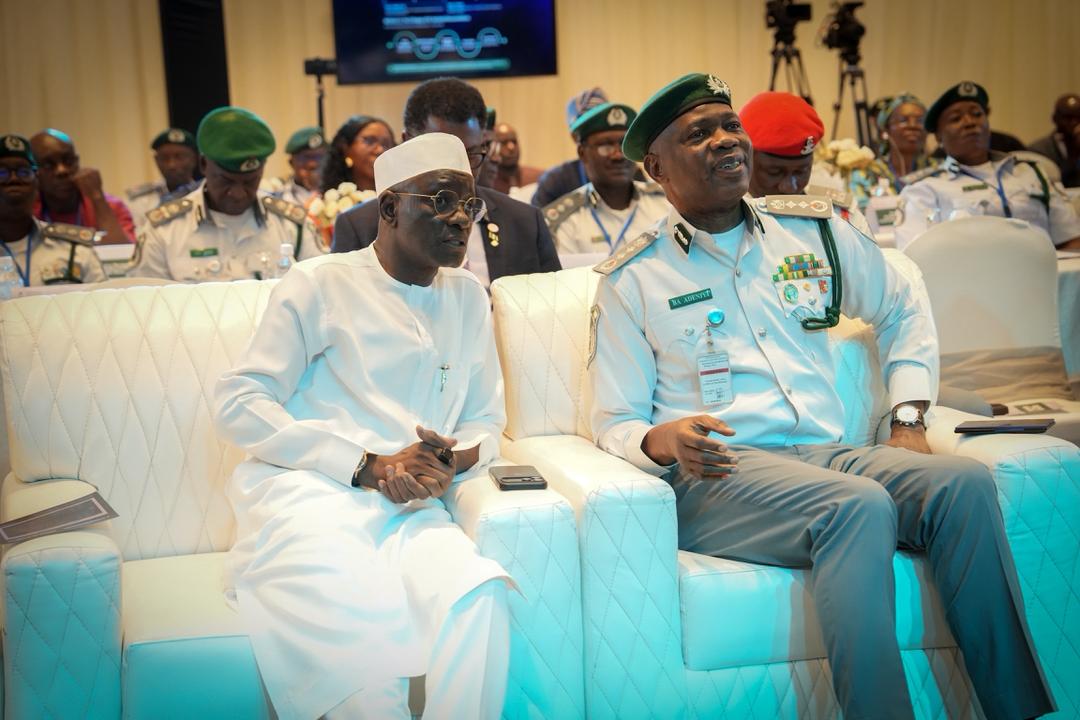
The high-level training, held on Monday at the Abuja Continental Hotel, brought together senior Customs officers, technology experts and members of legislative oversight committees, in what officials described as a strategic push to entrench transparency and efficiency in public financial management.
The initiative underscores a deepening collaboration between the Service and the National Assembly of Nigeria, as both institutions seek to modernise governance systems and close longstanding accountability gaps in revenue administration.
Speaking at the event, Comptroller-General of Customs, Adewale Adeniyi, said the Service is leveraging emerging technologies to strengthen oversight and improve its understanding of global trade dynamics.
He noted that AI has become a critical tool in identifying patterns in international trade, detecting anomalies and enhancing the integrity of Customs processes.
“Technology is evolving rapidly, and we must evolve with it. Our commitment is to ensure transparency in public accounting while positioning the Service to respond effectively to the complexities of global trade,” Adeniyi said.
He added that the Service is determined to maximise the benefits of AI across its value chain, urging participants to actively engage with facilitators to fully internalise the new tools and methodologies.
In her remarks, Deputy Comptroller-General in charge of Finance, Administration and Technical Services, Kikelomo Adeola, described the programme as both timely and strategic, coming at a period when public institutions are under increasing pressure to deliver greater accountability.
According to her, the training is designed to address existing gaps in revenue management while equipping officers with the technical capacity to deploy AI-driven solutions in safeguarding public funds.
“Artificial Intelligence is no longer futuristic; it is a present-day necessity. Strengthening our systems through technology is critical to national development,” she said.
Adeola also highlighted the significance of legislative participation, noting that the presence of lawmakers reflects a shared commitment to institutional transparency and reform.
Chairman of the House of Representatives Public Accounts Committee, Bamidele Salam, commended the Customs Service for embracing innovation, describing the agency as pivotal to Nigeria’s economic credibility.
“Customs remains a global institution with a direct impact on how Nigeria is perceived economically. This initiative is a step in the right direction,” he said, while stressing the need for sustained investment in human capital to match technological advancements.
Similarly, Chairman of the Senate Public Accounts Committee, Ahmed Aliyu, called for stronger collaboration in building resilient, future-ready systems.
“We must develop structures that will stand the test of time and continue to serve national interests effectively,” he said.
A key highlight of the programme was a technical session led by AI expert Bamidele Oyedeji, who outlined how intelligent systems can enhance trade facilitation, improve compliance monitoring and boost operational efficiency within Customs administrations.
Analysts say the adoption of AI-driven tools could significantly reduce revenue leakages, improve reconciliation accuracy and strengthen audit trails—longstanding challenges in Nigeria’s public finance ecosystem.
With this initiative, the Customs Service is signalling a decisive shift toward data-driven governance, positioning itself to play a more strategic role in revenue assurance and economic management.