

Adeniyi leads NCS to new integrity milestone, wins WCO commendation
Maureen Aguta
Nigeria’s push to entrench transparency and accountability in its customs operations has received a major boost, as the Nigeria Customs Service (NCS) strengthens its collaboration with the World Customs Organisation (WCO) under the Anti-Corruption and Integrity Promotion (A-CIP) Programme.
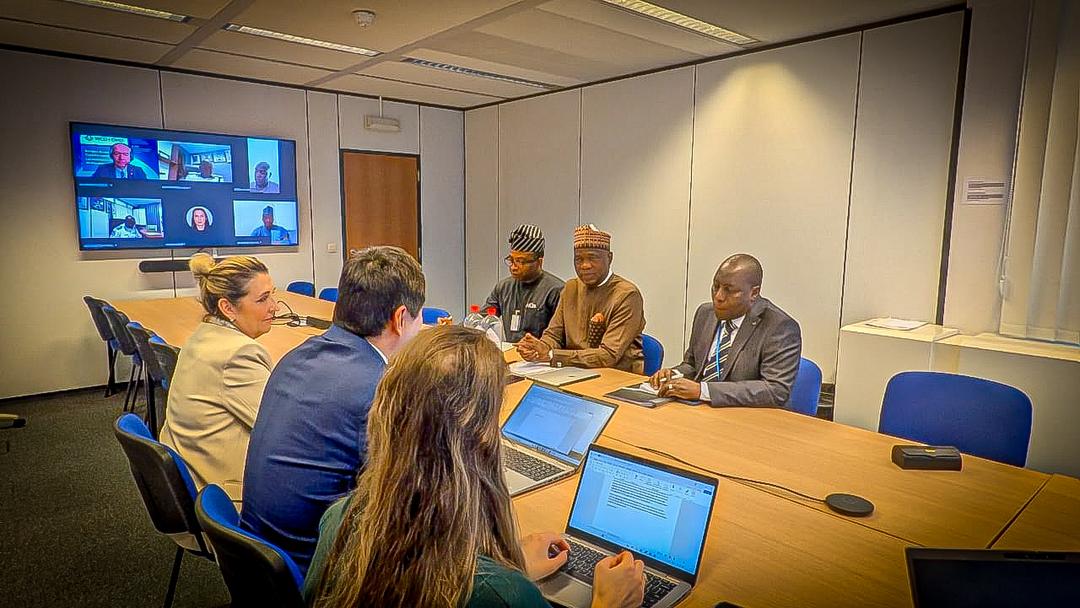
The renewed commitment followed a high-level engagement at the WCO Headquarters in Brussels, Belgium, on March 23, 2026, during an official visit by the Comptroller-General of Customs, Bashir Adewale Adeniyi, who also chairs the WCO Council.
At the meeting, the A-CIP team provided a detailed briefing on the progress of its partnership with the NCS, highlighting key milestones in integrity capacity-building, the development of integrity-driven standard operating procedures, and preparations for a comprehensive integrity risk assessment scheduled for 2026.
Central to the discussions was the Programme’s Phase II strategic framework (2026–2030), which prioritises the integration of integrity safeguards into automated customs systems, trade facilitation mechanisms, and revenue administration processes—areas considered critical in modernising customs operations and curbing systemic vulnerabilities.
The WCO team commended the NCS for its proactive engagement, particularly its participation in the global integrity survey and its decision to approve the release of the survey findings. The move, officials noted, signals a strong institutional commitment to openness and accountability.
Findings from the survey pointed to tangible progress within the Service, driven by ongoing reforms such as structured valuation review systems, strengthened post-clearance audit processes, and the rollout of the Voluntary Disclosure Framework anchored in the Nigeria Customs Service Act 2023.
Speaking during the engagement, Adeniyi expressed appreciation for the depth of support provided by the A-CIP Programme, reaffirming the Service’s determination to consolidate gains and expand areas of cooperation.
He emphasised that integrity remains a cornerstone of effective customs administration, particularly at a time when global trade dynamics are becoming increasingly complex and technology-driven.
Both parties agreed on a set of forward-looking measures aimed at sustaining momentum. These include the public release of the integrity survey results to reinforce transparency, the establishment and training of a dedicated Implementation Working Group, and the systematic incorporation of survey recommendations into the Service’s operational framework.
In a related development, the Comptroller-General also held a strategic meeting with WCO Secretary-General, Ian Saunders, alongside senior officials of the organisation. Discussions focused on updates from the WCO Policy Commission and Council, as well as broader issues shaping the future of global customs administration.
The engagements underscore Nigeria’s growing influence within the global customs community and signal a deliberate effort by the NCS to align its operations with international best practices while strengthening public trust in its processes.