

Lagos Summer: Selling Nigeria to Nigerians before the world
Maureen Aguta
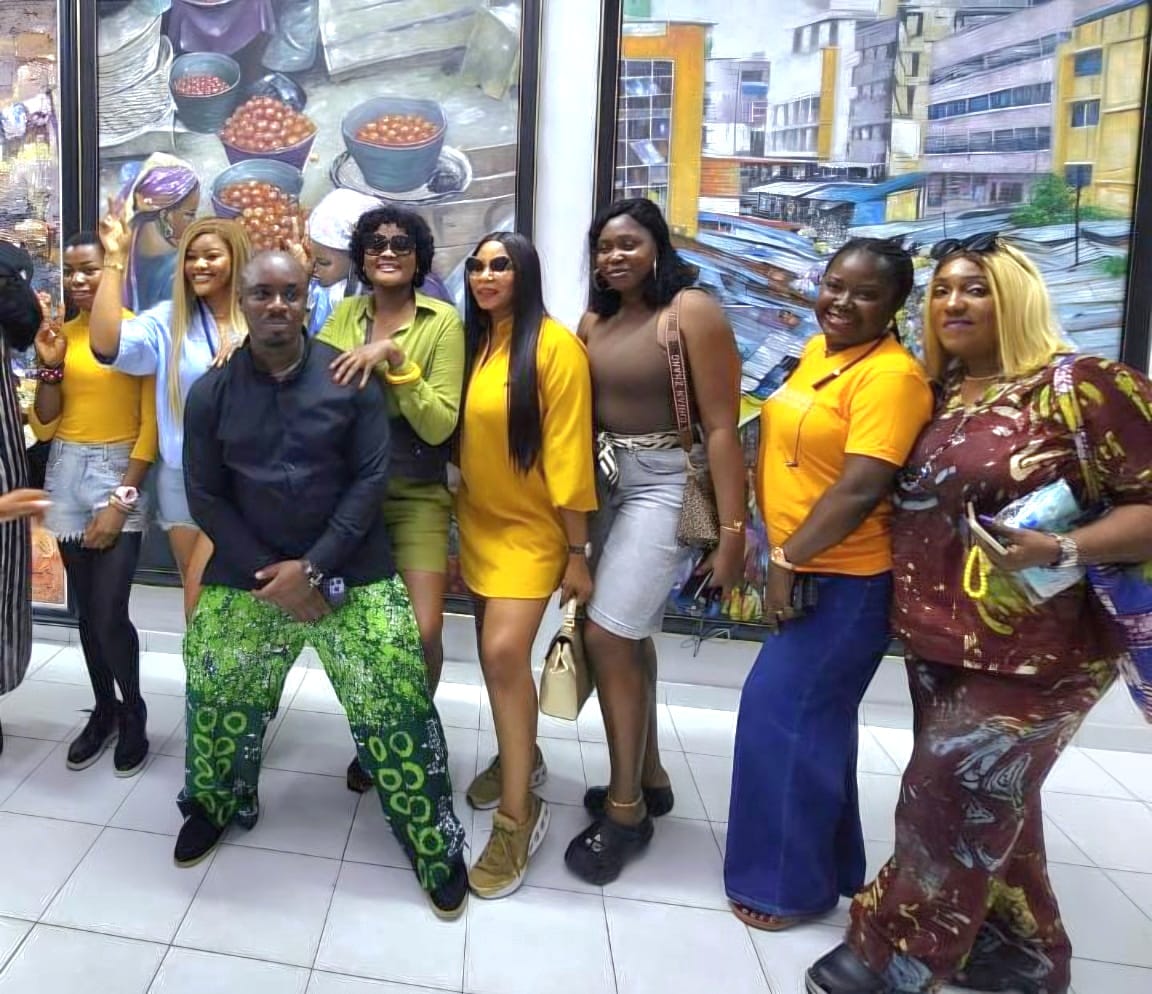
The bus left Lagos Mainland at dawn, carrying about 150 people bound for a day of art, history, culture and entertainment. By nightfall, the same group was gathered around a bonfire at Elegushi Beach, sharing music, networking and posting images of their experience online.
It was the fourth edition of ‘Lagos Summer with Mr. Nonso’, held on August 22, but beyond the fun and sightseeing, the tour offered a glimpse into how domestic tourism could become a powerful tool for nation branding.
The initiative, founded by tour operator Chinonso Emmanuel Uche, popularly known as Mr. Nonso, is built around a simple proposition: Nigerians must first discover, appreciate and promote their own country before expecting international visitors to do so.
The first destination was the Nike Art Gallery in Lekki, where participants explored several floors showcasing Nigerian art, crafts and cultural expressions.
For many of the visitors, the experience was an introduction to a cultural landmark they had known by name but had never visited.
The tour continued to the Yemisi Shyllon Museum of Art at Pan-Atlantic University, Epe, where participants had a picnic before embarking on a guided tour of the museum’s collection of more than 1,000 works.
The experience moved beyond observation when participants took part in an Adire tie-and-dye workshop, giving young professionals, families and expatriates an opportunity to engage directly with one of Nigeria’s traditional textile crafts.
The day ended at Elegushi Beach with a bonfire, music and networking.
For Uche, however, the ultimate objective goes beyond leisure.
“We need to consume what we have and push it out there. Let Nigerians understand what we have first. When they go, take pictures and post online, that’s what will make foreigners start patronising our places,” he said.
The demand for this year’s programme was reportedly so strong that participation had to be capped at 150 people.
Uche believes the model can be expanded significantly, noting that previous editions of Lagos Summer have taken participants to destinations in Abuja, Enugu and Imo.
His long-term ambition is to create a tourism experience capable of attracting visitors for several days, rather than a single-day excursion.
“Someday, I want Lagos Summer to become something people look forward to for four days, just like the summer experiences you have in the Mediterranean,” he said.
The initiative also highlights one of the major challenges confronting Nigeria’s tourism industry: limited awareness and domestic patronage of existing attractions.
Uche argues that many Nigerians are unaware of the cultural and tourism assets within their own country.
The Yemisi Shyllon Museum, for instance, is one destination he believes deserves greater domestic attention.
According to him, the museum attracts significant interest from international visitors, while many Nigerians remain unfamiliar with what it offers.
The logic behind Lagos Summer is therefore straightforward: take Nigerians to these destinations, expose them to the experience, encourage them to share it online and allow that digital exposure to become informal marketing for Nigeria.
The economic implications are equally significant.
Every domestic tourism trip creates spending opportunities for transport operators, tour companies, artisans, museums, restaurants, entertainment providers, beach businesses and other members of the local creative economy.
The programme also reflects the growing importance of partnerships between tourism operators and other sectors.
At this year’s event, Ginette Kadigiri, Regional Manager for West and Central Africa at RwandAir, participated in the programme through a quiz and prizes, demonstrating how airlines can support domestic tourism and build stronger connections with travellers beyond international routes.
For Uche, Lagos has the ingredients to become one of Africa’s strongest tourism destinations.
“Apart from safari, every other thing you’re looking for in tourism is in Lagos — urban energy, beaches, colonial history, Yoruba culture and Brazilian heritage,” he said.
His argument speaks to a wider opportunity for Nigeria: tourism need not begin with attracting foreigners.
It can begin with getting Nigerians to travel within Nigeria.
That approach turns ordinary tourists into cultural ambassadors. Their photographs, videos, recommendations and social-media posts become a form of grassroots nation branding, while their spending helps sustain businesses and livelihoods within the tourism value chain.
The significance of Lagos Summer, therefore, extends beyond a bus trip, museum visit or beach party.
It represents a practical model of how domestic tourism, cultural preservation, digital storytelling and local economic activity can reinforce one another.
Nigeria has no shortage of attractions. What remains critical is creating sustained demand for them.
And if the experience of Lagos Summer is anything to go by, one way to sell Nigeria to the world may be to first get Nigerians to fall in love with their own country.
The message from Mr. Nonso is simple: before inviting the world, sell Nigeria to Nigerians.