

Christ Embassy unveils AI, Digital Finance, Tsion EVs in new economy drive
Maureen Aguta
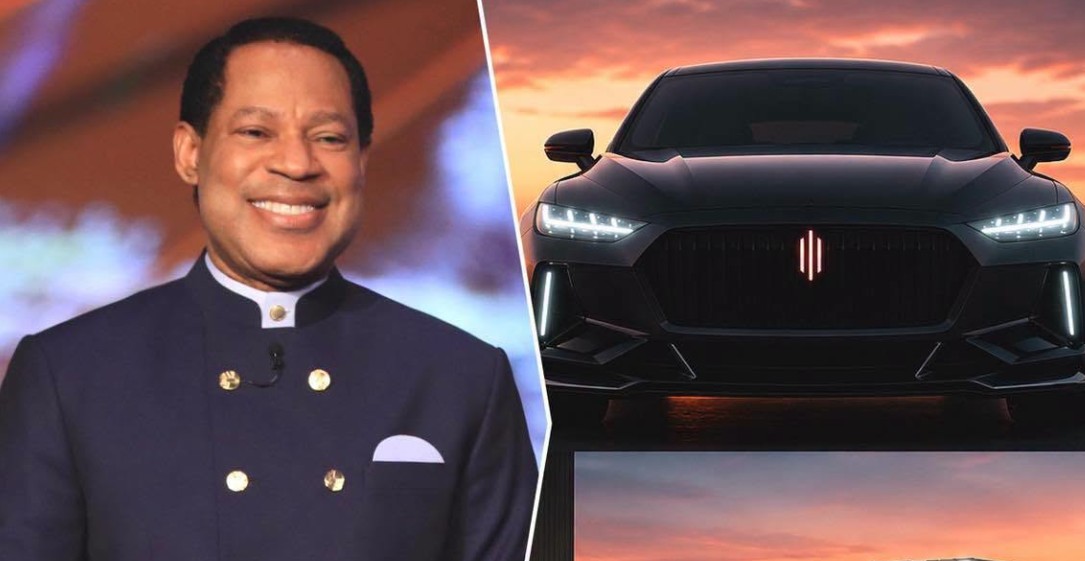
The founder of Christ Embassy, Pastor Chris Oyakhilome, has unveiled a range of technology, digital finance and electric vehicle initiatives as part of a broader economic vision he described as the “New Economy.”
The innovations were presented at the recent New Economy Unveiling 2026 (NEU26), organised by the Loveworld Global Fellowship, in a development that signals the ministry’s expanding interest in technology, enterprise, finance and industrial development beyond its traditional religious activities.
The centrepiece of the unveiling was Tsion, an electric vehicle brand featuring several models, including Tsion Passion, Falcon, Vision, Vision Coupe and the OG Series, described as the “Of God” series.
Oyakhilome said the automotive initiative forms part of a wider vision encompassing transportation, energy and industrial development, while also aligning with Nigeria’s growing interest in electric mobility and local manufacturing.
Some technical aspects of the vehicles, including the steering configuration of certain models, were still being finalised at the unveiling. The ministry also did not disclose production locations, pricing, vehicle range, charging infrastructure or commercial launch dates.
Oyakhilome said further details about the vehicles would be unveiled in November.
The development has nevertheless generated significant interest, particularly over whether the vehicles can achieve commercial-scale production and become affordable to ordinary Nigerians amid the country’s infrastructure and purchasing-power challenges.
The event also featured commendations from Christian leaders, including Pastor Bolaji Idowu, founder of Harvesters International Christian Centre, who described the scale of the initiative as evidence of a changing role for the church in economic development.
“My mind has been stretched. This is what it means to be the salt of the earth and the light of the world,” Idowu said.
He added that the church was “not just preaching the gospel”, arguing that Christian organisations could also create jobs, support industrial development and contribute to technological advancement.
“We are not waiting for them to give us a solution. The church has come to its place, now they have no other option than to listen to us,” he said.
Beyond the electric vehicles, NEU26 showcased a series of digital platforms aimed at positioning the ministry within emerging areas of the global digital economy.
Pastor Daysman Oyakhilome, Director of Loveworld Global Fellowship, explained that Tsion Ark is designed as a digital finance, trading and commercial ecosystem intended to facilitate participation in emerging economic opportunities.
Other platforms unveiled included VIVID, an artificial intelligence platform integrating smart devices and digital technologies; World Street Gold, conceived as a platform for trade and exchange; and Interlink, presented as an alternative internet infrastructure.
“Interlink is where you should be,” Daysman said while explaining the platform.
Pastor Chris also acknowledged the contributions of prominent technology entrepreneurs, including Elon Musk and Jeff Bezos, to the broader technological landscape that informed the development of the ministry’s new initiatives.
The organisers described the emerging ecosystem as a resilient, “Noah’s Ark-style” economic and technological framework designed to promote independence, creativity and values consistent with the ministry’s Christian worldview.
Oyakhilome urged participants to rethink dependence on conventional financial systems, teaching what he described as Christ’s “supply system and administration” as an alternative framework for economic participation.
While the unveiling has positioned Christ Embassy as an increasingly visible player in the intersection of faith, technology and enterprise, questions remain over the commercial structure, funding, technical specifications, regulatory framework and public accessibility of the projects.
For now, NEU26 has offered a glimpse into an ambitious attempt to move the church beyond the altar and into the emerging digital and industrial economy—with the success of the vision likely to depend on how effectively its concepts translate into commercially viable products and services.