

Customs trains officers on new tax reforms to boost compliance, revenue efficiency
Maureen Aguta
The Nigeria Customs Service (NCS) has intensified efforts to strengthen tax compliance and enhance revenue administration with a comprehensive training programme aimed at equipping its personnel with a deeper understanding of the Federal Government’s newly introduced tax policies.
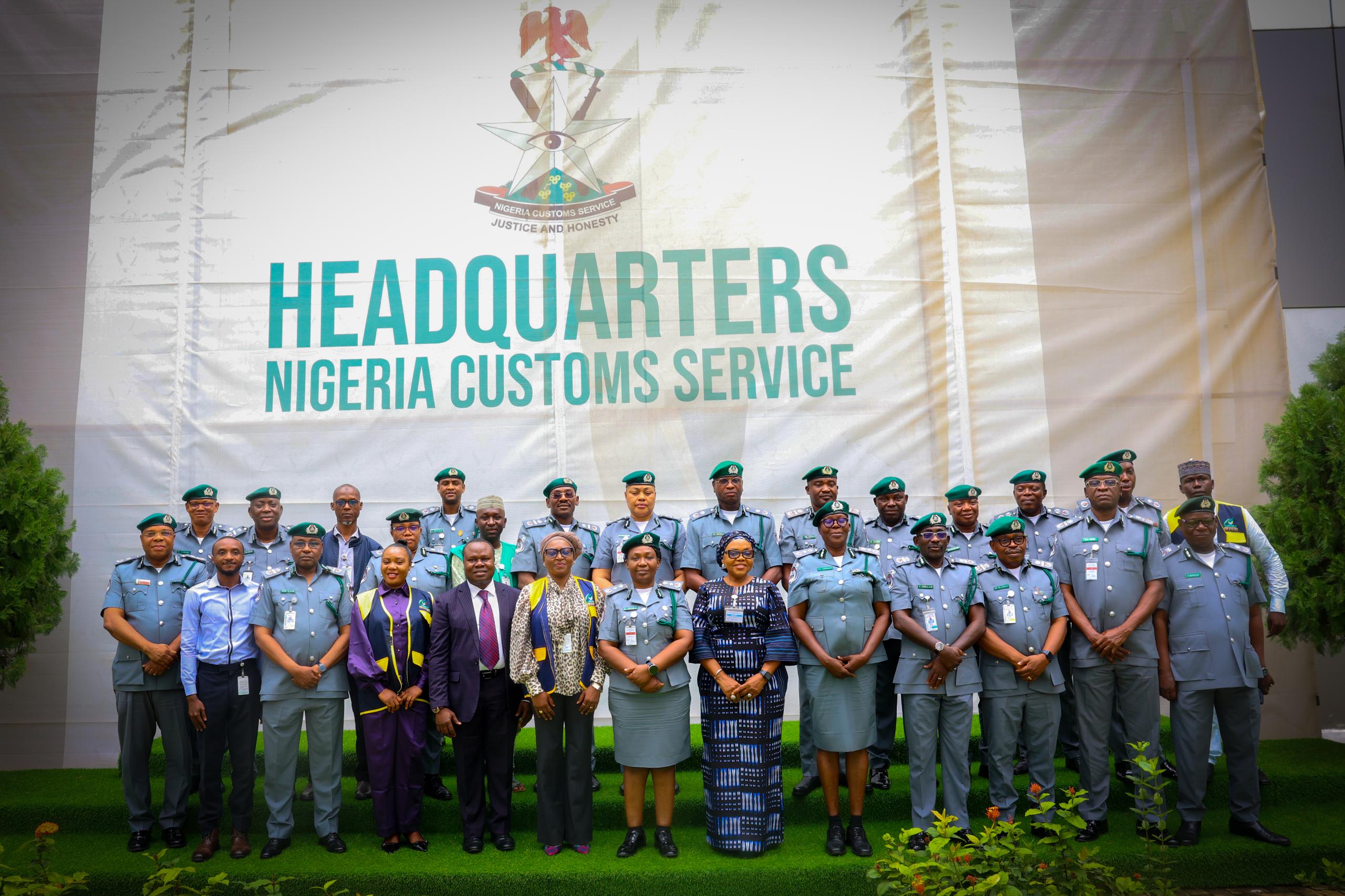
The two-day capacity-building programme, organised in collaboration with the Nigeria Revenue Service (NRS), was held at the NCS Headquarters in Maitama, Abuja, from June 17 to 18, 2026. The exercise brought together members of the Customs Management Team, Comptrollers, Superintendents, and officers across various cadres of the Service.
Speaking at the opening ceremony on behalf of the Comptroller-General of Customs, Adewale Adeniyi, the Deputy Comptroller-General in charge of Finance, Administration and Technical Services, DCG Kikelomo Adeola, said the training was designed to prepare officers for the changing dynamics of Nigeria’s tax administration system.
She noted that as a key revenue-generating agency of government, the Service must continually update its knowledge base to align with emerging fiscal policies and regulatory requirements.
“As a Service entrusted with a critical role in national revenue generation, we must remain abreast of evolving tax policies and ensure strict compliance with our statutory obligations,” Adeola said.
According to her, the training would equip officers with the knowledge and skills required to effectively navigate the new tax regime while maintaining the highest standards of professionalism, accountability and service delivery.
The Customs chief further stressed that tax compliance goes beyond fulfilling legal obligations, describing it as a cornerstone of transparency, institutional integrity and national development.
“By investing in the capacity of our personnel, we are positioning the Service to adapt seamlessly to emerging fiscal reforms while sustaining public confidence in our operations,” she added.
Also speaking, Assistant Director of Tax at the Nigeria Revenue Service, Victoria Udo, underscored the importance of Pay-As-You-Earn (PAYE) as one of the most dependable channels for personal income tax collection in the country.
She noted that compliance with tax obligations provides significant benefits, including eligibility for tax clearance certificates and access to various financial and business opportunities.
Udo encouraged participants to engage actively during the training by asking questions and sharing practical experiences, noting that a thorough understanding of the new tax laws would improve operational efficiency and compliance across the Service.
The training forms part of ongoing efforts by the Federal Government to deepen tax awareness, improve compliance levels and enhance the effectiveness of revenue-generating institutions amid sweeping fiscal reforms aimed at strengthening the nation’s revenue base.