

NFVCB targets Kaduna as hub for indigenous film growth, capacity building
By Maureen Aguta
The National Film and Video Censors Board (NFVCB) has intensified efforts to decentralise Nigeria’s film industry, identifying Kaduna State as a key hub for indigenous film development and capacity building.
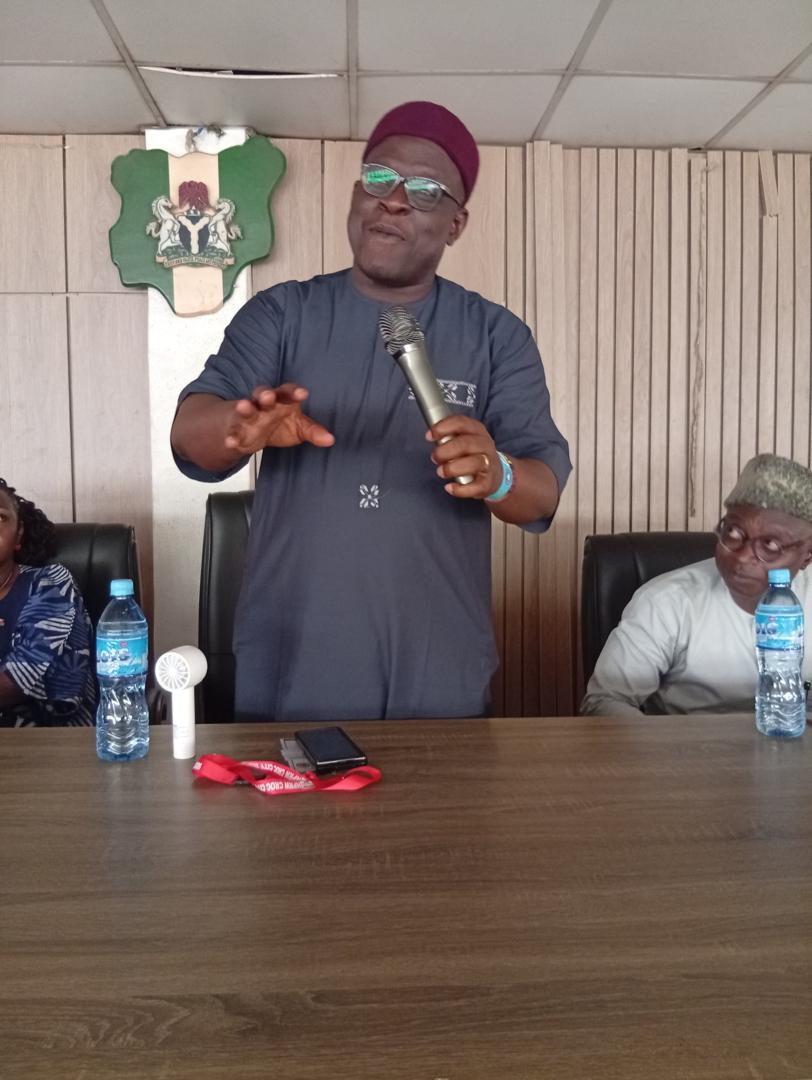
This strategic direction was unveiled during a high-level stakeholders’ engagement convened by the NFVCB Executive Director/CEO, Shaibu Husseini, at the Federal Secretariat Conference Hall in Kaduna.
The forum brought together filmmakers, guild leaders and representatives of the Kaduna State Ministry of Business and Innovation to deliberate on industry growth, regulatory compliance and sustainable development pathways.
Husseini announced plans to host the grand finale of the Nigerian Indigenous Film Showcase in Kaduna, describing the initiative as a deliberate step toward promoting local content, nurturing talent and stimulating economic activity within the state’s growing creative ecosystem.
He stressed that expanding industry opportunities beyond traditional centres would unlock new value chains and encourage broader participation in Nigeria’s creative economy.
According to him, the Board is also set to roll out targeted training programmes aimed at equipping filmmakers and content creators with modern skills required to compete in an increasingly digital and globalised marketplace.
The capacity-building drive, he noted, would focus on improving production quality, storytelling standards and professional practices across the sector.
On regulatory compliance, the NFVCB boss issued a stern warning against the release of unapproved films on digital platforms, including YouTube.
He urged practitioners to adhere strictly to established classification and censorship guidelines to maintain professionalism and safeguard the integrity of the industry.
In her remarks, the Acting Director of Licensing and Documentation, Rhoda Dandura, called for greater responsibility in content creation, emphasising the need for value-driven storytelling that protects younger audiences and reflects societal norms.
Husseini, in his closing remarks, reaffirmed the Board’s commitment to sustained stakeholder engagement and sector-wide development.
He assured participants that the Kaduna initiative would be followed by continuous support and future engagements aimed at consolidating gains recorded from the meeting.
Stakeholders described the session as productive and insightful, expressing optimism about Kaduna’s potential to evolve into a vibrant centre for indigenous filmmaking.
A representative of the Kaduna State Ministry of Business and Innovation, Zwahu Yanwaidi, pledged the Ministry’s support in facilitating the hosting of the film showcase and the planned training programmes for creatives across the state.
The initiative underscores the NFVCB’s dual approach of strengthening regulation while fostering growth—an effort expected to drive inclusivity, professionalism and long-term sustainability in Nigeria’s film industry.