

Waterway Waste: Parts Central targets wealth from plastic, hyacinth
Maureen Aguta
Parts Central Limited has unveiled plans to transform the growing volume of plastic waste, water hyacinth and other marine debris choking Nigeria’s waterways into economic opportunities through recycling, biofuels and other value-added processes.
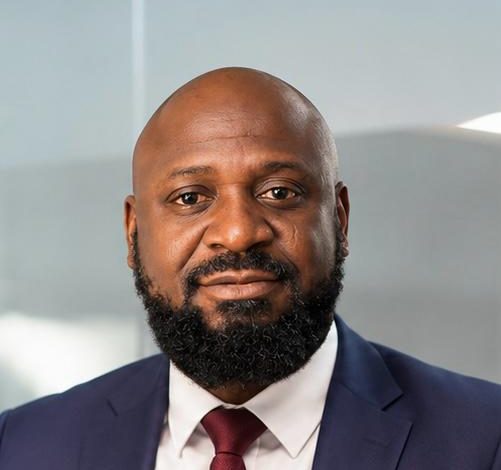
The company’s Managing Director, Henry Olaoluwa Onifade, disclosed this in Lagos while speaking with maritime journalists as part of activities marking his birthday.
Onifade said the company’s recently launched nationwide waterways clean-up initiative, being implemented in partnership with the National Inland Waterways Authority (NIWA), was designed to go beyond removing waste from waterways to establishing a sustainable circular economy around recovered materials.
According to him, the initiative is driven by the philosophy that “we don’t have waste anymore; waste is now wealth”, stressing that materials recovered from waterways could serve as raw materials for new industries and create jobs and businesses.
He said biodegradable materials collected during the clean-up would be processed for various applications, including biofuels, while technologies were being explored for sorting and converting plastic waste into recyclable materials.
“The goal is not just to clean the waterways and dump the waste somewhere else. We want to develop a system where the waste recovered becomes an economic resource,” he said.
Onifade said the increasing involvement of government agencies, ministries, associations and other stakeholders demonstrated growing recognition of the environmental and economic importance of cleaner waterways.
He cited ongoing efforts by the National Environmental Standards and Regulations Enforcement Agency (NESREA) to engage stakeholders on curbing plastic pollution, describing such collaboration as critical to achieving pollution-free waterways.
“We are happy that we can even think of a possible pollution-free waterways and roll it out. Since we rolled it out, we’ve heard of different people, associations, organisations and states that are now talking about it,” he said.
“Our goal is for us to have pollution-free waterways. By God’s grace, we will integrate everybody who has a very good and genuine mindset that pollution-free waterways is possible in Nigeria.”
The Parts Central boss also disclosed plans to develop a technology-driven database covering ports, jetties, landing sites, riverbanks, dockyards and other facilities connected to the nation’s inland waterways.
He said the database would provide critical information on the volume and sources of waste generated at different locations, enabling more efficient deployment of equipment and manpower.
According to him, every jetty and landing port would be assessed to determine the availability of waste-management facilities, while boats and other watercraft would also form part of the data-gathering exercise.
“It’s not for us to have the data, because if you don’t have data of the people you want to cater for, you don’t know how to cater for them,” he said.
Onifade explained that Parts Central had spent considerable time testing technologies and equipment for tackling waterway pollution, adding that manufacturers and other players in the plastics and waste-management value chain would eventually be integrated into the programme.
He disclosed that the clean-up campaign would soon move beyond Lagos, with Port Harcourt and Imo State among the next locations targeted for the initiative.
He said the company was currently putting the necessary structures in place to ensure that its expansion was driven by reliable data and properly coordinated operations.
Beyond environmental sanitation, Onifade said the long-term objective was to turn Nigeria’s waterways into platforms for employment, entrepreneurship and wealth creation.
He also linked his transition from partisan politics to business to his desire to pursue practical solutions to societal problems, saying his political experience had deepened his understanding of public needs.
“I took my own to the other side. I took it from politics to business,” he said.
He urged Nigerians to embrace the emerging economic opportunities in environmental management, insisting that the country could no longer afford to treat waste as a burden.
“No more waste on the waterways; we will now have wealth on the waterways,” Onifade declared.