

MWUN sounds alarm over ‘slave-drive’ casualisation in maritime sector
Maureen Aguta
The Maritime Workers’ Union of Nigeria (MWUN) has condemned what it describes as the growing and dangerous casualisation of labour in the nation’s maritime industry, warning that the practice threatens workers’ welfare, industrial harmony and the long-term sustainability of the sector.
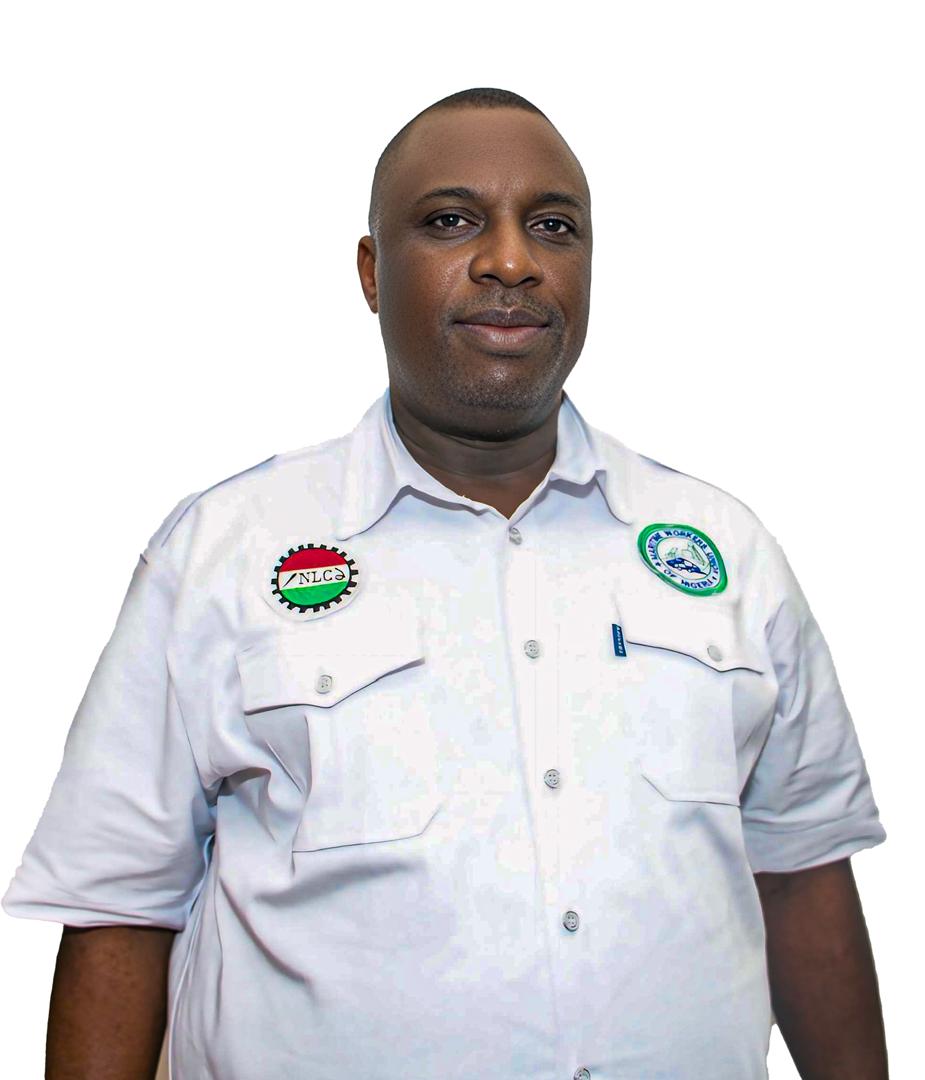
The Shipping Branch President of MWUN, Comrade Olufemi Oluyinka Abass, raised the alarm while reacting to what he said were persistent anti-labour practices by shipping companies and terminal operators across the ports.
Comrade Abass accused major industry players of systematically outsourcing core maritime jobs to third-party contractors who pay workers “peanuts,” a development he said amounts to the reintroduction of casual labour in clear violation of existing labour laws and regulations.
According to him, the practice has become widespread despite repeated objections by organised labour, with employers justifying their actions under the guise of cost efficiency while deliberately undermining workers’ rights and weakening union presence in the industry.
“These captains of industry have consistently embraced cruel, callous and vicious labour practices that negate both local and international labour standards,” Abass said. “What we are seeing is a deliberate strategy to dehumanise workers, erode permanent employment and reduce the influence of unions in the maritime sector.”
The MWUN Shipping Branch President further alleged that shipping companies and terminal operators have adopted what he termed a “slave-drive ideology,” designed to maximise profit at the expense of workers’ dignity, job security and decent working conditions.
He noted that the steady replacement of permanent jobs with casual and outsourced labour has worsened job insecurity in the sector, leaving workers vulnerable to exploitation, poor wages and the absence of basic employment benefits.
Abass warned that the union would no longer tolerate the trend, stressing that the time had come for decisive action to halt what he described as “industrial manipulation” of maritime workers.
“This ideology may appear economical to them, but it is built on the suffering of workers and the outright disregard for decent work policies enshrined in labour laws globally and locally,” he said.
He disclosed that the issue would be escalated to the top leadership of MWUN, assuring that firm measures would be taken against companies found culpable, with the aim of sanitising the maritime industry and restoring humane and lawful working conditions.
MWUN, he added, remains committed to defending the rights of maritime workers and ensuring that the sector operates in line with established labour standards and best global practices.