

Indigenous investors court NIWA to transform Lagos waterways into tourism goldmine
Maureen Aguta
A coalition of indigenous maritime tourism and transport investors has signalled a major push to unlock Nigeria’s underdeveloped inland waterways tourism economy, pledging strategic collaboration with the National Inland Waterways Authority (NIWA) to drive infrastructure expansion, coastal destination marketing and community-based investment.
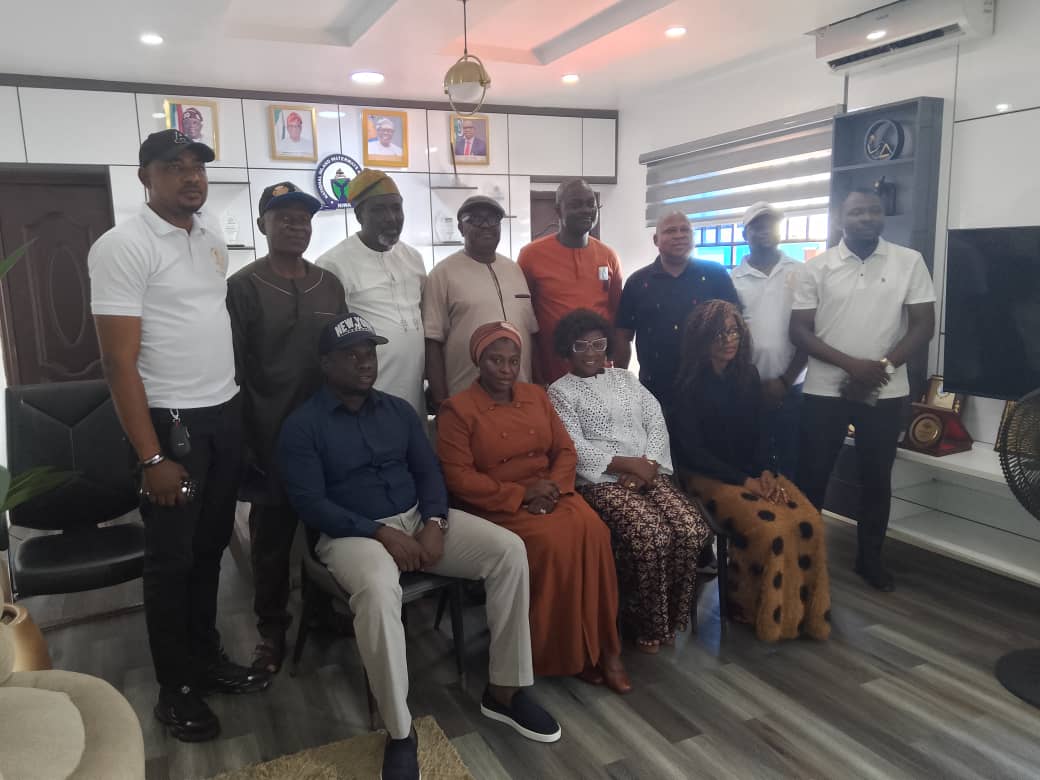
Operating under the banner of the Allied Concessionaries and Blue Economy Alliance, the group made its intentions known during a high-level courtesy visit to the Lagos Area Office of NIWA on Tuesday, where it met with the Lagos Area Manager, Engineer Sarat Braimah.
Led by its Chairman, Bolaji Olasade, the coalition described itself not as a conventional association but as a consortium of tested concessionaires and maritime operators with proven capacity in water transportation and waterfront hospitality.
Olasade said the alliance was formed to integrate safe and efficient water transport systems with recreation, tourism and hospitality services along Lagos’ expansive inland waterways, stressing that the initiative could serve as a catalyst for job creation, increased government revenue and inclusive growth for littoral communities.
“We are visible operators with established footprints in the industry,” he said. “Our objective is to collaborate with NIWA to develop inland waterways tourism infrastructure, open up littoral communities through destination marketing, and promote waterfront resorts as structured economic assets.”
He noted that while Lagos boasts one of Africa’s most dynamic coastal environments, its brown-water economy remains significantly underleveraged.
According to him, repositioning the waterfront as a globally competitive tourism and leisure corridor would require deliberate public-private alignment and regulatory support.
The coalition’s Secretary, Barrister Dorcas Aderemi, underscored the need for a formalised public-private partnership framework to accelerate investment flows into the marine and blue economy ecosystem.
She argued that sustainable growth in the sector depends on aligning regulatory oversight, investor confidence and long-term funding models.
“The inland waterways ecosystem must be strategically structured to attract credible investment,” she said. “A coordinated framework between NIWA and private operators will not only stimulate employment and economic growth but also expand government revenue and deepen national development outcomes.”
The investors also commended Braimah’s leadership of the Lagos Area Office, particularly her safety reforms and enforcement measures aimed at reducing boat mishaps and curbing security breaches along Lagos waterways. They described her recent Nelson Mandela Pan-African Leadership Award as recognition of her commitment to public service and sectoral reform.
Responding, Braimah welcomed the proposed collaboration and acknowledged the central role of serious private capital in advancing NIWA’s mandate.
“We cannot achieve our mandate in isolation,” she said. “The private sector remains critical, especially investors with genuine financial capacity and long-term commitment. We will forward your proposals to our headquarters in Abuja to examine how your consortium can leverage existing opportunities within the inland waterways corridor.”
She reiterated the Authority’s determination to modernise inland water transport operations, including the gradual introduction of new-generation boats and ferries to phase out ageing and unsafe watercraft.
According to her, safety, efficiency and value-chain development must remain central to any expansion of waterways tourism and transportation.
Braimah further urged the coalition to maintain internal cohesion and focus on delivering measurable impact, particularly for host and littoral communities that must be actively integrated into emerging maritime tourism value chains.
Industry observers say the renewed investor interest signals growing confidence in Nigeria’s blue economy prospects, especially as Lagos continues to position its waterways as viable alternatives to congested road corridors and as emerging hubs for waterfront leisure and hospitality.
If structured effectively, stakeholders believe the partnership could mark a turning point in transforming Nigeria’s inland waterways from largely transport corridors into fully developed tourism and economic growth platforms.