

NIHOTOUR leads tourism overhaul as Nigeria targets global competitiveness
By Maureen Aguta
Nigeria’s tourism sector may be on the cusp of a structured revival as the National Institute for Hospitality and Tourism (NIHOTOUR) intensifies efforts to formalise the industry, deepen inclusivity, and raise professional standards through a nationwide certification drive.
The Director-General and Chief Executive Officer of NIHOTOUR, Aare Dr. Abisoye Fagade, has described the Federal Government’s decision to lift the suspension on regulatory activities in the hospitality and tourism space as a pivotal intervention capable of restoring order, boosting investor confidence, and accelerating sector-wide growth.
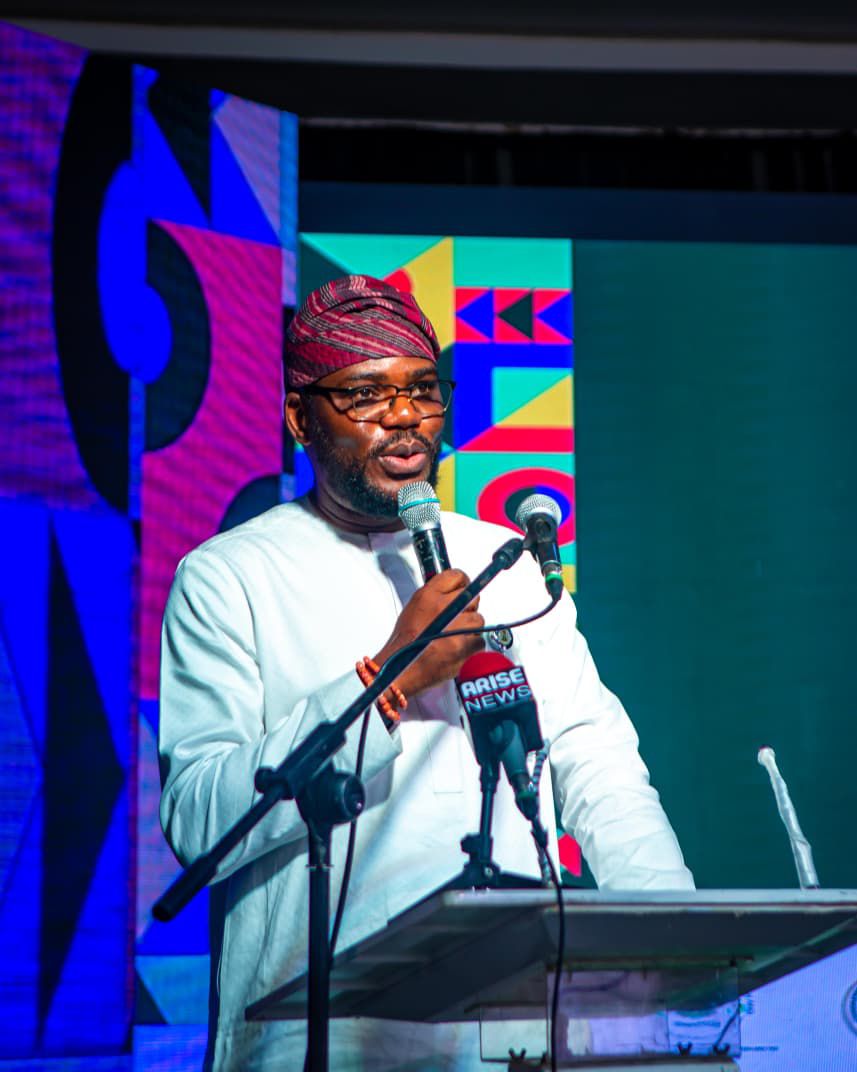
Speaking at the National Hospitality and Tourism Stakeholders Forum in Abuja—organised by the Nigeria Tourism Development Authority (NTDA) under the theme “Shaping the Future of Nigerian Tourism Together”—Fagade framed the move as more than a policy shift, but a deliberate strategy to reposition tourism as a cornerstone of Nigeria’s economic diversification agenda.

The forum convened a cross-section of stakeholders from government, private sector, and industry associations to chart a coordinated pathway for strengthening standards, improving collaboration, and unlocking the sector’s latent value.
Fagade pointed to the role of the Minister of Art, Culture, Tourism and Creative Economy, Hannatu Musa Musawa, whose directive—alongside a newly introduced concessionary framework offering discounted compliance rates and flexible onboarding—signals a pragmatic approach to widening participation while enforcing standards.
He noted that the reforms align with President Bola Ahmed Tinubu’s Renewed Hope Agenda, which prioritises job creation and the development of high-impact sectors capable of driving sustainable economic growth.
“This is not merely about regulation; it is about recalibrating the industry for global relevance,” Fagade said. “It reflects a commitment to inclusivity, competitiveness, and long-term sustainability.”
At the heart of NIHOTOUR’s reform push is the rollout of the National Registration Portal (NRP), a digital platform designed to capture, certify, and verify tourism practitioners and institutions across the country.
The initiative is expected to address longstanding gaps in data, compliance, and professional accreditation—issues that have historically undermined service quality and international competitiveness.
Industry analysts say the absence of a comprehensive regulatory database has allowed a significant portion of the workforce to operate informally, limiting access to training, financing, and global opportunities.
Fagade acknowledged this structural challenge, stressing that formalisation remains critical to unlocking the sector’s full economic potential.
According to him, the NRP will not only enhance service delivery and credibility but also create pathways for employment, skills development, and investment.
He further underscored NIHOTOUR’s dual mandate as both a regulator and a development institution, tasked with building a skilled workforce capable of meeting international standards while supporting operators to transition into the formal economy.
In a nod to institutional collaboration, Fagade commended the leadership of NTDA for convening what he described as a timely forum, noting that sustained dialogue among stakeholders is essential to achieving policy coherence and sectoral alignment.
He also issued a call to action to private operators, state governments, and industry groups to leverage the Federal Government’s concessionary framework and actively engage with the ongoing reforms.
“We are not here to stifle growth, but to enable it,” he said. “A properly regulated industry attracts investment, creates jobs, and earns global respect.”
With Nigeria’s tourism sector long touted as an underperforming goldmine, stakeholders say the success of the current reform agenda will hinge on execution, compliance, and sustained public-private collaboration.
For NIHOTOUR, however, the message is clear: the pathway to a resilient, inclusive, and globally competitive tourism industry lies in standards, structure, and shared commitment.